

The ice was roughly sixteen inches thick. Under it, something was wrong with the light.
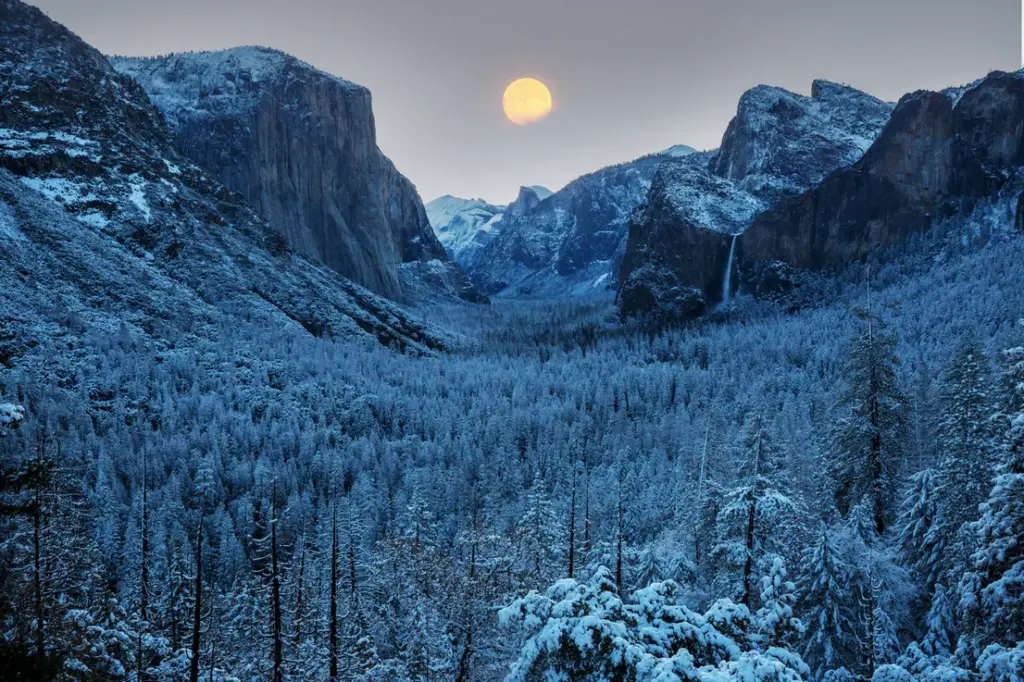
At about 9,000 feet in Yosemite’s southern backcountry, rangers lay flat on the frozen surface of Lower Merced Pass Lake and looked down through the ice. On the bottom sat a shape that was not a rock and not a log. It had wings. It had windows. Inside the windows were two men who had been dead since December.
The wreck had gone undiscovered for roughly six weeks.
The plane was a Howard 500, twin-engine, and it went into the lake on December 9, 1976. The pilot was Jon Scott Glisky. The passenger was Jeffrey Carl Nelson. The cargo was an estimated three tons of marijuana, baled and wrapped, riding a plane that came down in a place so remote that winter closed over it like a lid.
The lake froze. The snow came. The wreck sat there through Christmas, through New Year’s, through most of January, at an elevation where nobody goes in winter because there is no reason to.
On January 25, 1977, hikers finally reached the lake and reported what they saw.
The rangers came in on foot and on skis. Butch Farabee was among them. What they were doing was body recovery. The lake was sealed beneath sixteen inches of ice, and the water below was near freezing.
They went in anyway. Diving under ice at nine thousand feet in January is a thing you do once and remember forever. The cold does not feel like cold. It feels like pressure, like a hand closing around your ribs, and the surface above you is a ceiling you cannot punch through.
They worked two days. Farabee later estimated that rangers removed about half of the plane’s three-ton cargo over those two days. They did not find the bodies. The cockpit was crushed and buried and the water was murky with aviation and hydraulic fluid, and the weather was turning.
Weather forced the rangers to leave before they could complete the recovery. They expected to return when conditions improved.
Word reached Yosemite Valley before they did.
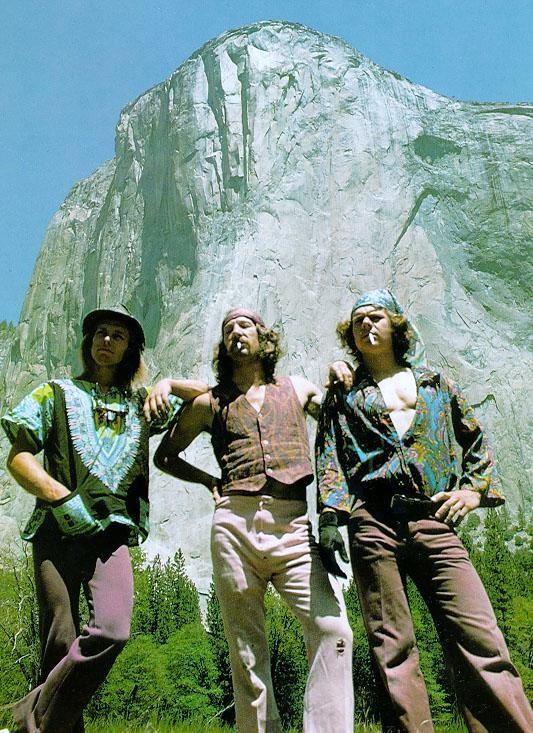
Camp 4 in 1976 was a parking lot full of the best climbers in the world, and almost none of them had money. Not as a philosophy. As a fact. They ate what the cafeteria threw out. They slept in the dirt under the boulders and moved their tents when the rangers did sweeps. They were putting up routes on El Capitan that nobody had imagined were possible, and they were doing it on food scavenged out of dumpsters behind the Yosemite Lodge.
Then somebody walked into Camp 4 and said there was a plane in a lake.
They went up in groups, in the snow, carrying empty packs. They came down carrying full ones. They went back. Farabee said later that the lake in those weeks was visited mostly by climbers, which is a careful way of saying what everybody in the Valley already knew.
The rangers eventually came back and dispersed them. By then the arithmetic had changed.
Here is the part that nobody leads with.
By Farabee’s estimate, perhaps three thousand pounds remained at the site when the climbers arrived. Later accounts say some of it had been contaminated by fuel and other fluids from the wreck. Later accounts say climbers dried it out and smoked it anyway.
The money did not make Yosemite’s climbers great. That has to be said plainly, because the legend wants it the other way around. By the time of the crash, the Stonemaster scene had already transformed big-wall climbing. In June 1975, a year and a half earlier, Jim Bridwell, John Long, and Billy Westbay made the first one-day ascent of The Nose on El Capitan. Seventeen hours and forty-five minutes. It reset the scale of what Yosemite climbers thought possible.
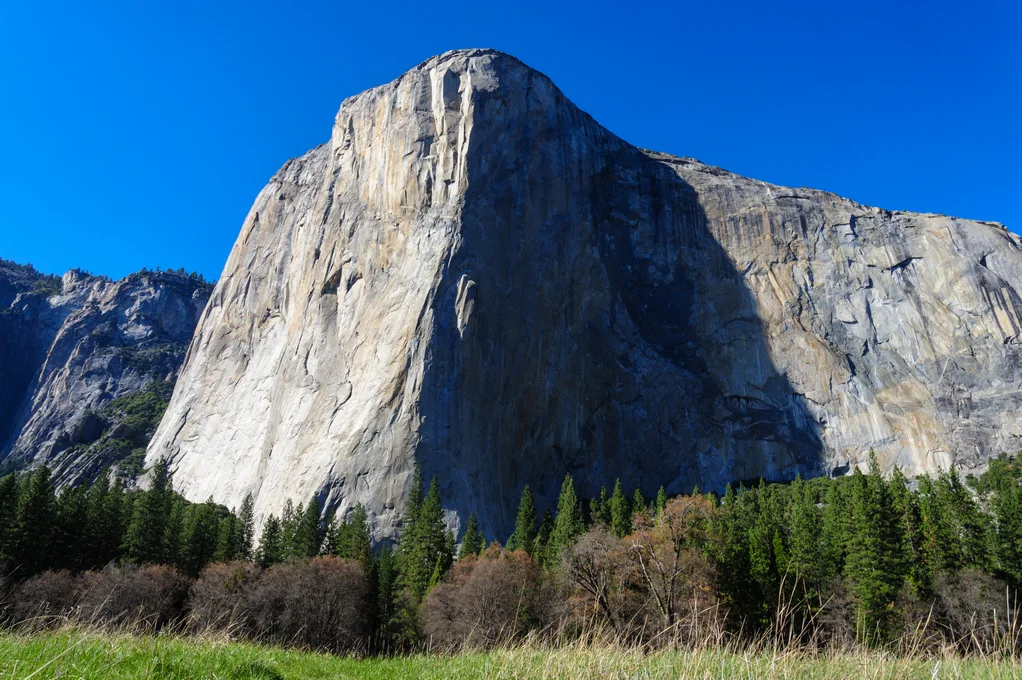
The lake did not create that ambition. It may have given some people in its orbit a little more time to pursue it.
Time is the only currency that matters in climbing. A season on a wall. A winter not working. Some of them bought gear. Some bought trips. Some bought nothing at all and just stopped worrying for a while, which for a man sleeping under a boulder is its own kind of wealth.
Participants and later storytellers differ on the details. Whether the money built the Stonemaster era or simply showed up in the middle of it is a thing people still argue about. But the episode is consistently remembered as a sudden influx of cash into an otherwise precarious climbing scene.
In climbing lore, the lake became known as Dope Lake. It still is.
Andy Kirkpatrick, CC BY 4.0 https://creativecommons.org/licenses/by/4.0, via Wikimedia Commons
On June 16, 1977, the thaw came and the water dropped and the cockpit broke the surface. Butch Farabee went back up.
He brought down Jon Scott Glisky and Jeffrey Carl Nelson.
The legend has a lake and a fortune and a generation of climbers who got a season for free. It has a story that improves every time somebody tells it.
It also has two men who sat in the dark under the ice for six months while everyone else went shopping.
Trail Note
Lower Merced Pass Lake sits at approximately 9,000 feet in Yosemite’s southern backcountry. One common approach, from the Mono Meadows trailhead, runs roughly 27 miles round trip, though route choice and conditions vary. There is no road to the lake. A wilderness permit is required year-round for overnight travel; day hiking generally does not require one. There is no potable water source and no water treatment infrastructure, you carry what you need. Snow can make the approach difficult or impractical from late fall into spring, and conditions vary greatly by year. In climbing circles, it is still called Dope Lake.
Sources
Farabee, Butch. “On Being a Ranger During Yosemite’s Wild Stonemaster Era.” REI Uncommon Path. rei.com/blog/climb/on-being-a-ranger-during-yosemites-wild-stonemaster-era
“Yosemite’s Dope Lake.” SFGate. sfgate.com/national-parks/article/yosemite-dope-lake-22321279.php
“High Ground.” San Francisco Chronicle. sfchronicle.com/outdoors/article/high-ground-documentary-yosemite-22393835.php
“50 Years Later, Yosemite’s Wildest Climbing Legend Comes Home.” Sierra News Online. sierranewsonline.com/50-years-later-yosemites-wildest-climbing-legend-comes-home
“Off the Wall: Death in Yosemite.” National Parks Traveler. nationalparkstraveler.org/review/2007/wall-death-yosemite
“Climbing Legend Jim ‘The Bird’ Bridwell Dies at Age 73.” Alpinist. alpinist.com/newswire/climbing-legend-jim-the-bird-bridwell-dies-at-age-73
A note on The Outpost: This publication reconstructs historical events from verified primary sources. Atmospheric and scenic details are drawn from period records where available and from historical context where noted. Specific temperatures, weather conditions, and scene-setting details included for narrative purposes are grounded in documented historical context but should not be read as verbatim archival record. All named individuals, dates, and documented events are sourced in the reference list above. The Outpost is narrative journalism, not academic history — but it holds itself to the facts that matter.
Go deeper
Firsthand stories from the Yosemite climbing scene the article’s characters belonged to.
* Some links below are affiliate links, meaning Ride Hike Roam may earn a commission at no extra cost to you.
- Camp 4: Recollections of a Yosemite Rockclimber by Steve Roper. Firsthand stories from the Yosemite climbing scene the article’s characters belonged to.
← Previous: Four Eyes Is Going to Treat | Next: The Name on the Bottom of the Boot →