

Six climbers died in an Alpine storm in 1935. One survivor spent the next two years arguing with a shoe, and the bottom of your boot has carried his answer ever since.
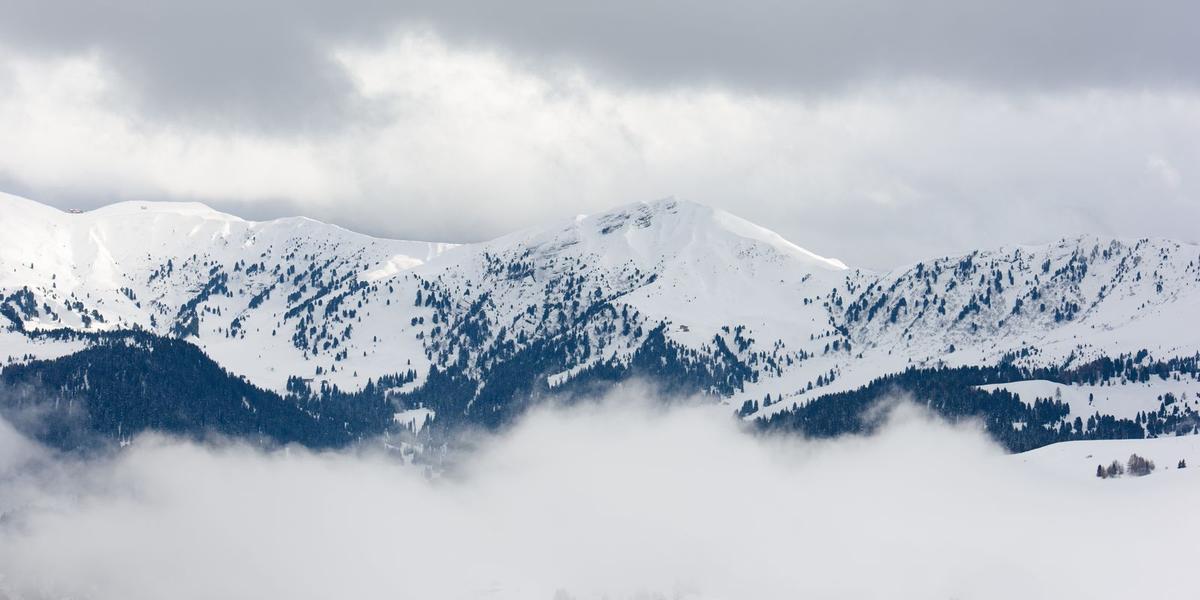
The fog came up the ridge and closed like a door. One minute there was a route. Then there was gray, and wind, and rock running with water.
The climbers on that rock were wearing felt. Felt soaks up water. In that cold, water did not stay water for long. As the storm settled in, the soles went hard and slick, and the feet inside them stopped reporting to the brain.
That is what cold takes first. Your feet. You stand on them and they are not there. You look down to confirm they are still attached, because nothing in your body will tell you.
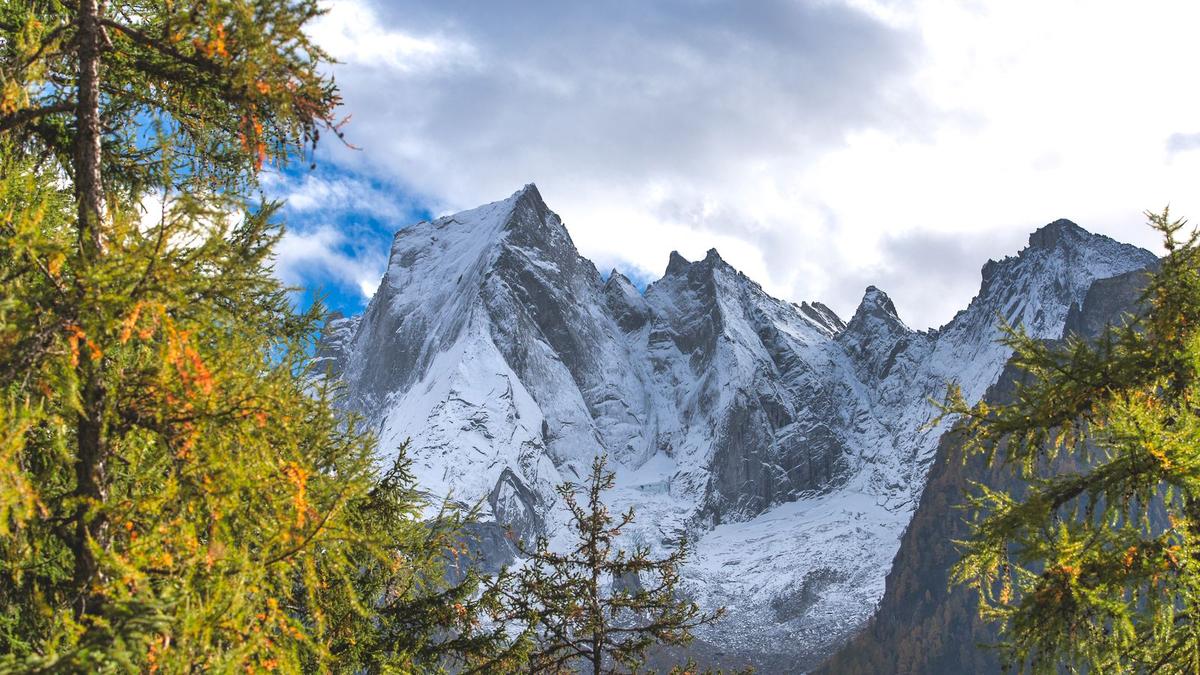
Nineteen climbers were on the mountain that day in 1935. The peak was Punta Rasica, in Italy’s Val Bregaglia. The storm came. The fog came with it. The way down disappeared.
Six of them died. Frostbite. Exposure.
One of the thirteen survivors was a climber named Vitale Bramani.
Here is how climbing worked in that era. Every climber carried two pairs of footwear. Heavy boots for the approach, studded with metal for dirt and snow and scree. Then, at the base of the hard rock, the climber sat down, unlaced, and switched into something light. Felt. Or hemp cord. Thin soles that let the foot feel the stone.
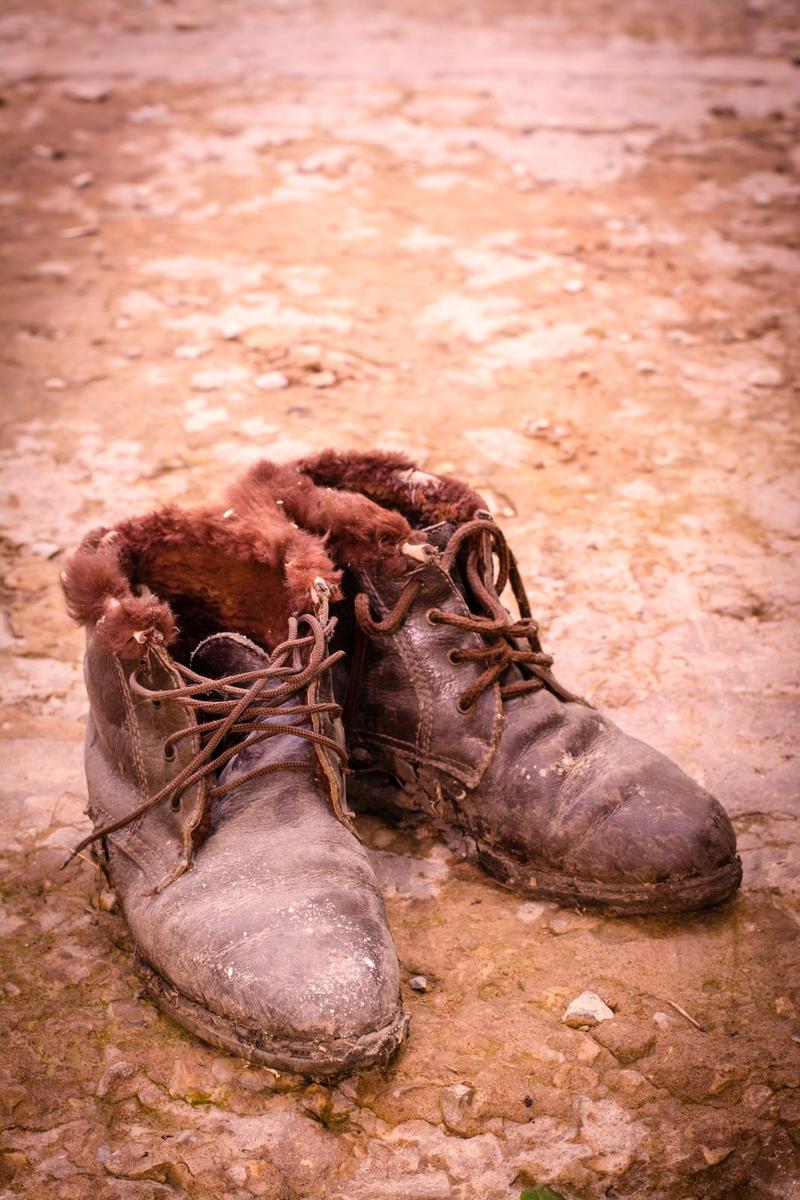
The light shoes climbed beautifully. They also put almost nothing between the foot and the cold. In good weather that did not matter. In a storm it mattered more than anything. Wet felt froze. Frozen felt could turn slick as glass. And the heavy boots that might have held were not on anybody’s feet. That was the system.
The villain in this story is not the storm. Storms come to the Alps every season. The villain is a pair of shoes that worked perfectly until the moment they did not.
Bramani could not prove the shoes killed his friends. The storm killed them. The cold killed them. But he came down convinced the footwear had helped turn bad weather into a catastrophe.
He did not argue with the mountain. He argued with the shoe.
His question was small. Almost embarrassingly small. He wanted to know why a climber needed two pairs of shoes at all.
If one sole could grip like a climbing shoe and hold up like a mountain boot, nobody would have to make the switch. Nobody would be standing on frozen felt with the right boots out of reach.
Rubber does not soak. That was the start. But a man with an idea about rubber needs a laboratory, and Bramani did not have one.
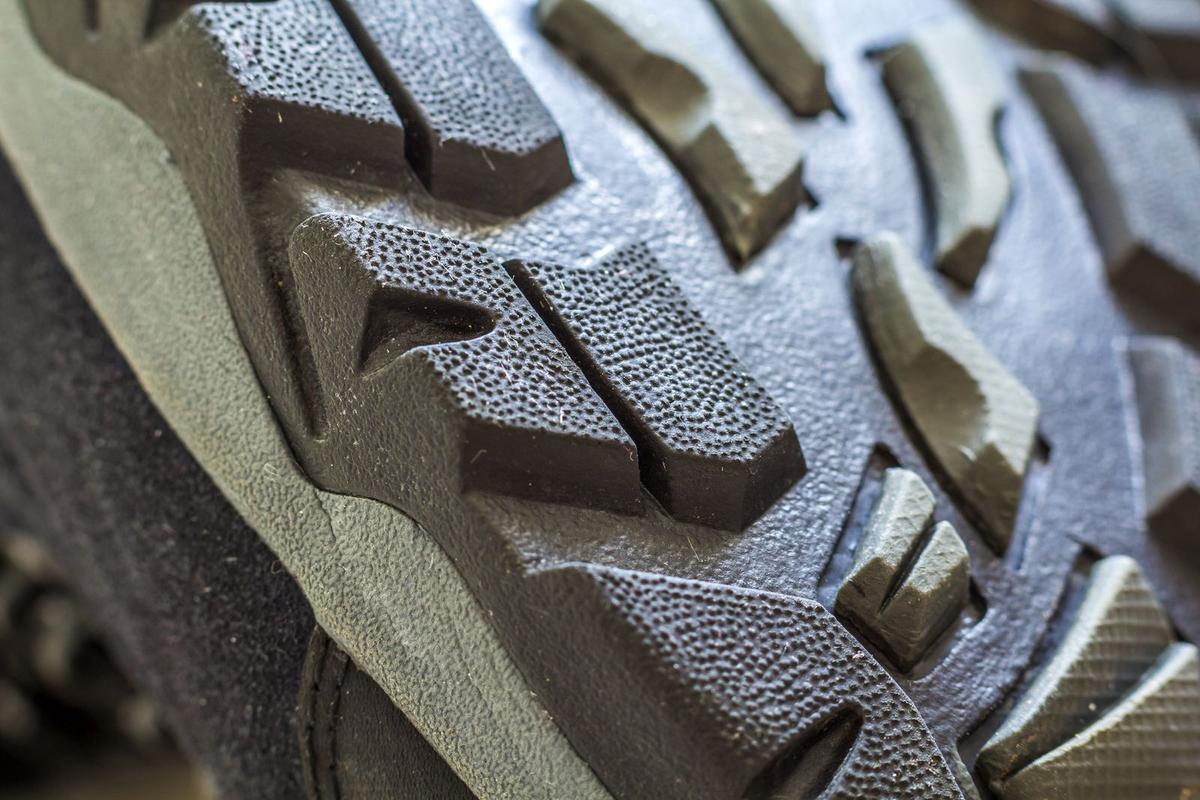
He found one through a man named Franco Brambilla, who would later become managing director of Pirelli. Pirelli opened its lab. With Pirelli’s backing, Bramani developed a new vulcanized rubber compound and gave it a deep, lugged tread. Big blocks. Hard edges. The kind of bottom that bites.
In 1937, two years after Punta Rasica, he patented it.
He called it the Carrarmato. Italian for tank. Look at the tread and you understand. It looks like something pried off a machine built for war.
Seventeen years later, in 1954, an Italian expedition went to K2. Nobody had ever stood on top of it. The team wore Dolomite boots fitted with Carrarmato soles.
They made the first ascent.
Here is the part nobody leads with. The expedition did not rely on one kind of sole. The record shows six types. Different soles for travel, for the trek to base camp, for the approach, for the high camps, for the final push. The invention that began as one answer for every condition had already split into a system.
Six types of sole on K2. Six men on Punta Rasica.
Nobody planned that. It is just the number.
Today the company that grew from that patent makes more than 40 million soles a year. They are sold in 120 countries. Not every boot carries one. Not every sole on earth comes from that lab. But the lugged rubber outsole became the shape people picture when they picture a boot that will not quit.
The company has a name. You have probably seen its mark. A yellow octagon, pressed into the bottom of a boot.
It is not a word. It is a man.
VItale. BRAMani.
Vibram.

He did not name it after the six. He did not name it after the mountain. He put his own name on it, on the bottom, where nobody looks.
Forty million times a year, it goes on the exact place the cold got in.
Trail Note
Val Bregaglia sits in the Alps along the border between Italy and Switzerland. Punta Rasica is technical alpine terrain. It is not a hiking destination, and it belongs to experienced mountaineers. Before your next hike, turn your boot over. If you find a yellow octagon, you are looking at the end of this story.
Sources
- Pirelli Foundation. “Pirelli Products for the Mountains: A Daring Ascent to Success Since the 1930s.” https://www.fondazionepirelli.org/en/activities/stories-from-world-of-pirelli/pirelli-products-for-the-mountains-a-daring-ascent-to-success-since-the-1930s/
- Vibram. “On Top: K2 1954.” Official brand history. https://www.vibram.com/us/brand/br_on_top.html
- Vibram. “Our Brand.” https://www.vibram.com/us/brand/br_our_brand.html
- Vibram. Official brand history. https://www.vibram.com/us/brand/br_history.html
- Lemelson-MIT. “Vitale Bramani.” https://lemelson.mit.edu/resources/vitale-bramani
A note on The Outpost: This publication reconstructs historical events from verified archival, institutional, and primary sources where available. Atmospheric and scenic details are drawn from period records where available and from historical context where noted. Specific temperatures, weather conditions, and scene-setting details included for narrative purposes are grounded in documented historical context but should not be read as verbatim archival record. All named individuals, dates, and documented events are sourced in the reference list above. The Outpost is narrative journalism, not academic history. But it holds itself to the facts that matter.