

The oxygen sets were sitting in the snow when the light came back.
Two of them. About 18 kilograms each. Somebody had left them there in the dark the night before, after being told to leave them and go down. Now two climbers came to collect them. They took the oxygen and turned uphill. By the end of that day, the men who picked it up would belong to their country.
The men who left it behind would belong to a different story. One that took more than fifty years to tell.
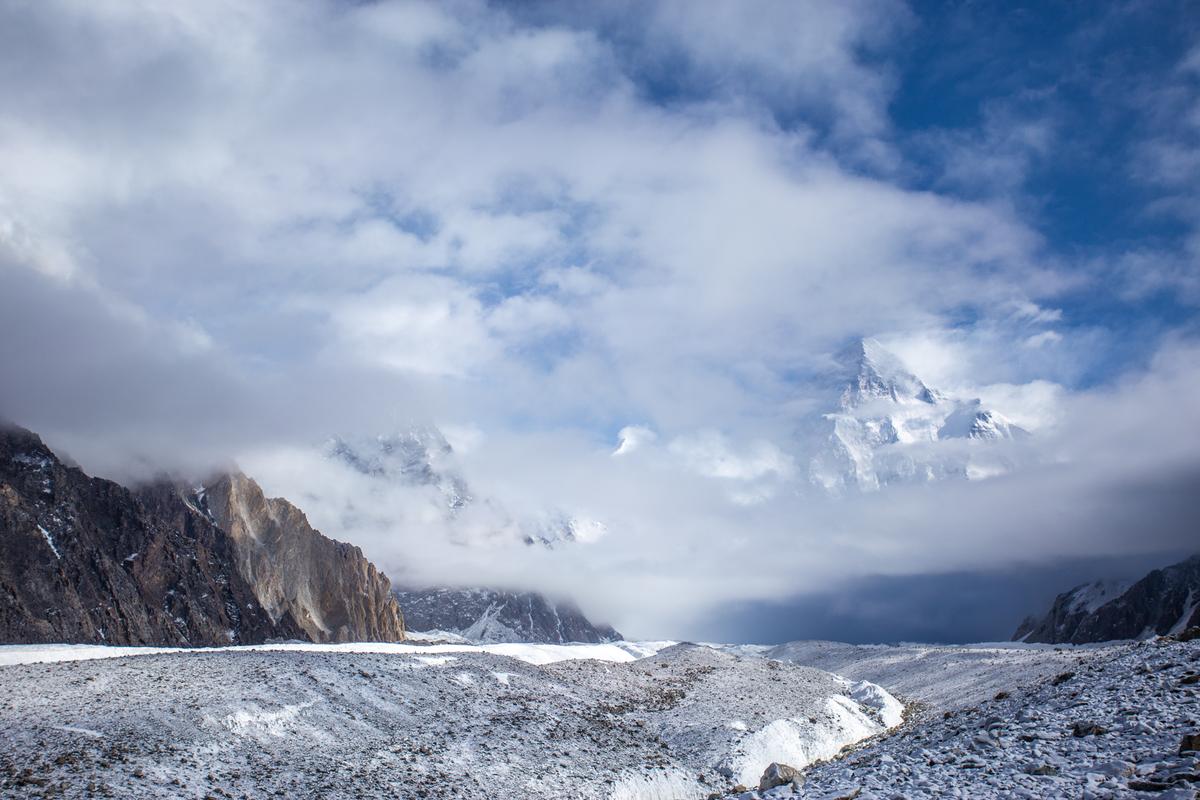
The date was July 31, 1954. The mountain was K2. The two climbers were Achille Compagnoni and Lino Lacedelli, and that day they stood on its summit. The first people ever to stand there. The expedition was led by Ardito Desio. Italy made the summit pair national heroes.
That is the story everyone knows.
Nobody leads with the night before.
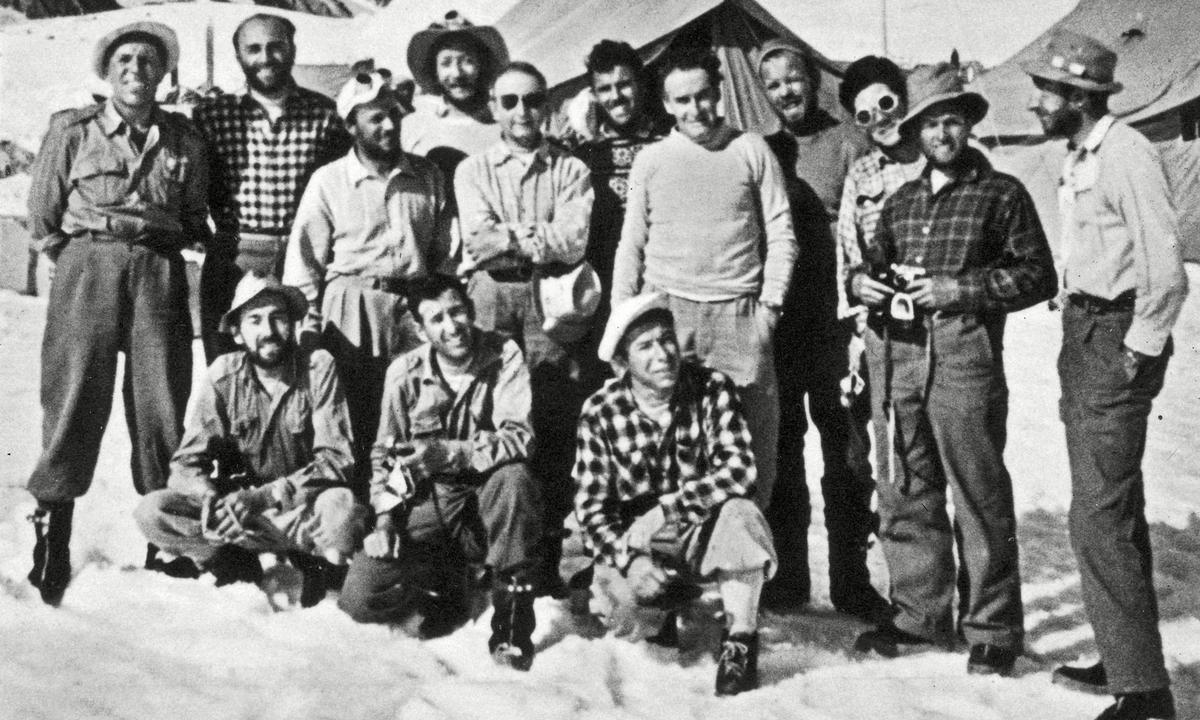
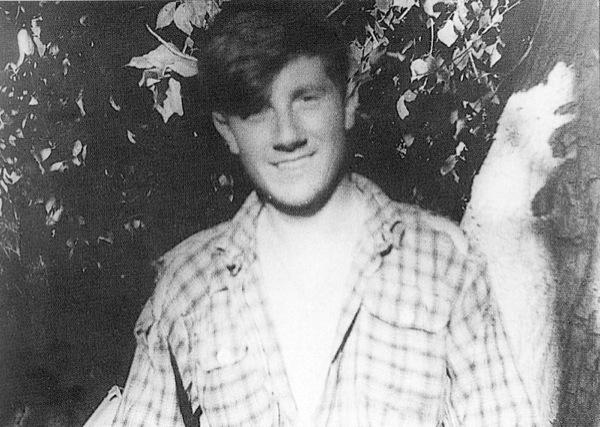
Walter Bonatti was 24, the youngest climber on the expedition. Amir Mehdi was a Hunza high-altitude porter. On July 30, the two of them left Camp VII and started up toward Camp IX with two oxygen sets. About 18 kilograms each. Thirty-six kilograms between them, hauled up into air that already had too little in it.
The plan was simple. Carry the oxygen to the tent. The summit pair would use it in the morning.
The tent was not there.
Camp IX had not been pitched where it was agreed. It sat higher. It sat in a different spot. Bonatti and Mehdi kept climbing toward a place that did not exist, and the light kept going.
Then it was gone.
The villain in this story is not a storm. Not an avalanche. It is the dark, the altitude, and a tent in the wrong place.
They called into the dark. Somewhere above them, a voice answered. They had made contact with the tent. They were told to leave the oxygen and go down.
They could not go down. Not safely. Not in that dark.
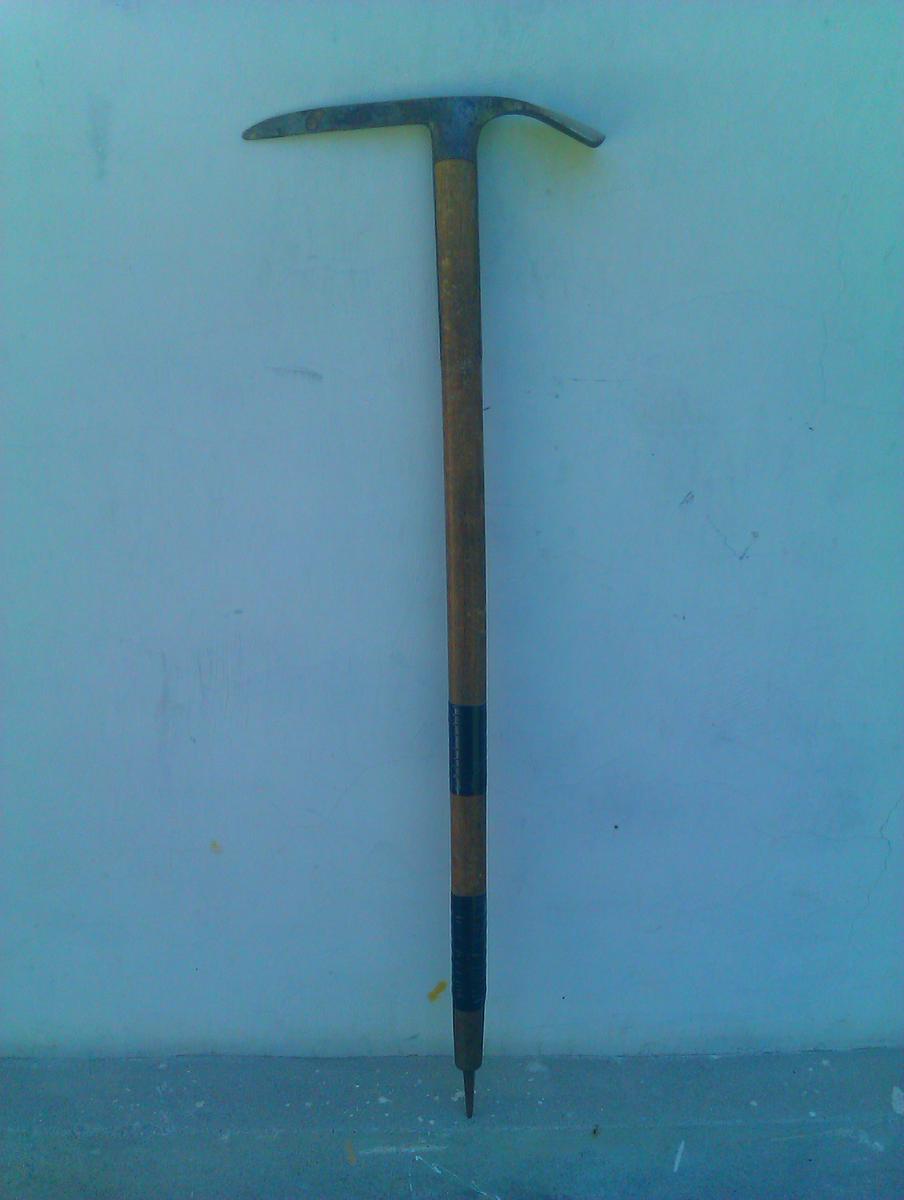
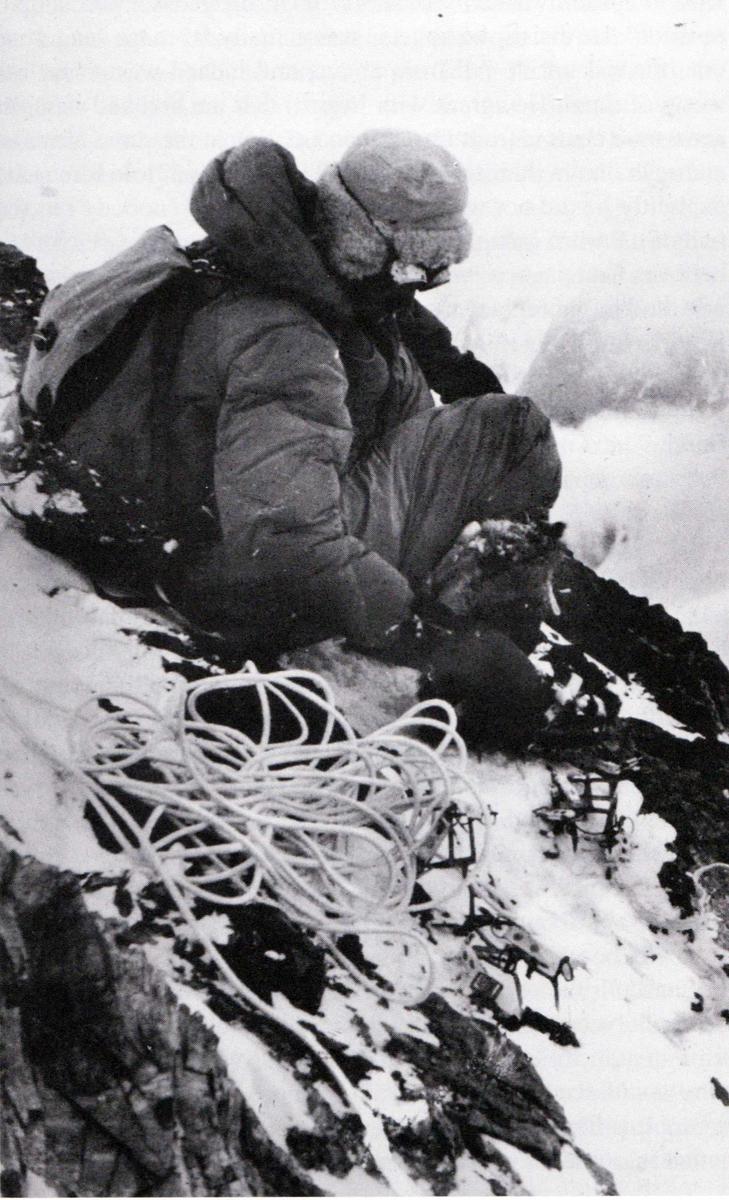
So they stayed. About 8,100 meters up on K2. No tent. No sleeping bags. Two men and the night.
Cold at that height does not arrive all at once. It works inward. It starts at the edges of a body and moves toward the middle, and the first thing it takes is the feet. You stop feeling them. Then you stop being sure they are there.
According to the BBC’s 2014 profile of Mehdi, he reportedly wore regular army boots, not proper high-altitude snow boots. Some reports said they were two sizes too small.
Both men survived the night.
Mehdi’s frostbite was severe. Physicians later amputated all of his toes.
In the morning, Compagnoni and Lacedelli collected the oxygen. They climbed. They reached the top of K2. Italy had its first ascent and its heroes.
That should have been the end of it.
Ten years later, in 1964, the climbing journalist Nino Giglio published an article built on Compagnoni’s version of that night. It said Bonatti had tried to overtake the summit pair. It said he had used the oxygen during the night. The young climber who had hauled the cylinders up the mountain was now accused of stealing from them.
Bonatti sued for libel.
Here is the fact the 1964 story left out.
The apparatus that made the oxygen usable, the masks, was in the tent at Camp IX. Above him. With the men who had told him to leave the oxygen and go down.
Bonatti and Mehdi had the oxygen sets. They did not have the masks. Bonatti denied ever using the oxygen. In 1966, he won his case.
The rest of the truth took longer.
In 2004, for the expedition’s 50th anniversary, Lacedelli broke his silence in a book written with Giovanni Cenacchi. He acknowledged that Camp IX had been moved from the agreed site. He said he believed Compagnoni did not want Bonatti to reach the tent.
In 2007, the Italian Alpine Club published a revised official history. It confirmed Camp IX had been placed somewhere other than the agreed site. It recognized the decisive role Bonatti and Mehdi played in carrying the oxygen.
The club gave the book a title. K2: Una Storia Finita. K2: A Finished Story.
It had taken fifty-three years to finish.
Amir Mehdi, by most accounts, spent those decades largely forgotten.
Compagnoni and Lacedelli stood on top of K2 on July 31, 1954.
The oxygen they collected that morning had spent the night in the snow below Camp IX.
So had Amir Mehdi.
Trail Note
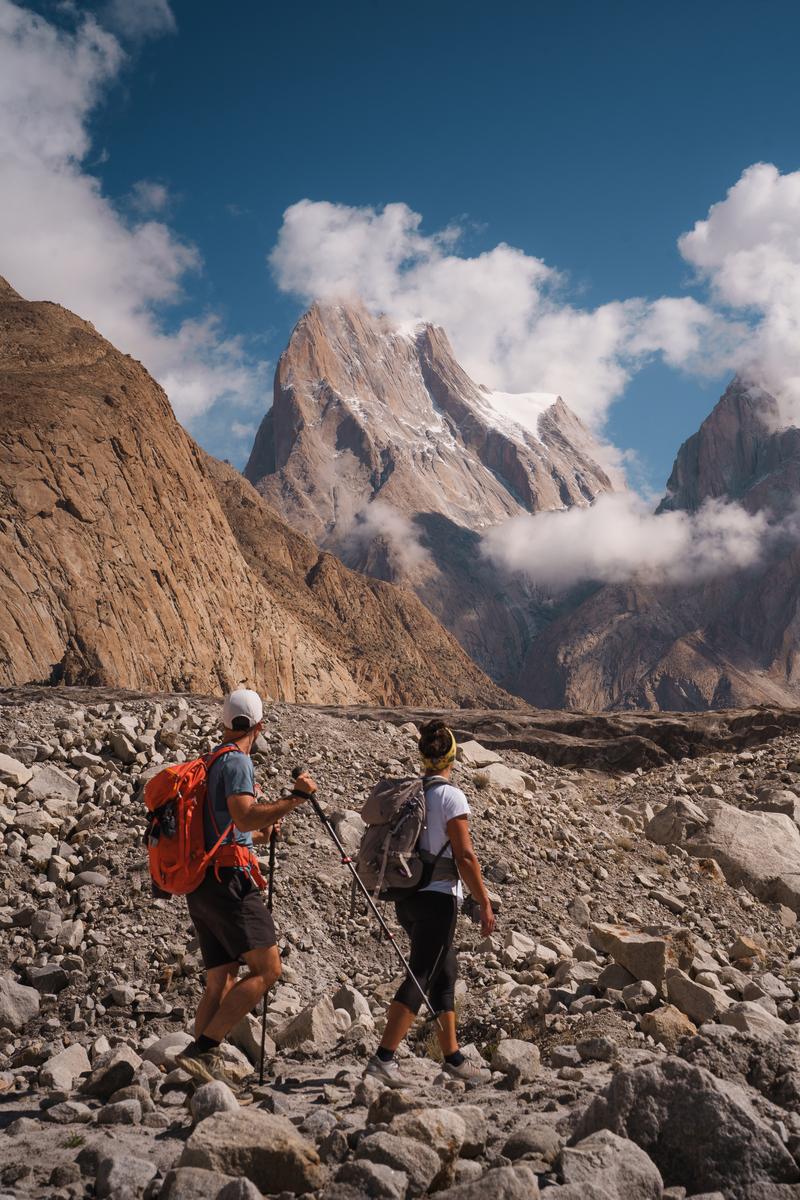
K2 stands on the Pakistan-China border in the Karakoram. It is among the world’s most dangerous mountains, climbed only by highly experienced expedition teams. Non-climbers can trek toward K2 Base Camp along the Baltoro Glacier, typically 10 to 14 days on the trail from Askole. For foreign trekkers, it is a permit-only route, arranged through a licensed Pakistani operator with a registered guide.
Sources
- “1954 Italian Karakoram expedition controversy.” Wikipedia. https://en.wikipedia.org/wiki/1954_Italian_Karakoram_expedition_controversy
- Marshall, R. “K2.” Alpine Journal, 2005. http://www.alpinejournal.org.uk/Contents/Contents_2005_files/AJ%202005%20191-200%20Marshall%20K2.pdf
- Conefrey, M. “K2.” Alpine Journal, 2015. https://www.alpinejournal.org.uk/Contents/Contents_2015_files/AJ%202015%20255-265%20Conefrey%20K2.pdf
- BBC News Magazine. Profile of Amir Mehdi, 2014. https://www.bbc.com/news/magazine-28696985
- “High Crimes on K2.” Climbing. https://www.climbing.com/culture-climbing/high-crimes-on-k2/
- “Lino Lacedelli: Mountaineer whose ascent of K2 in 1954 was shrouded in controversy.” The Independent. https://www.the-independent.com/news/obituaries/lino-lacedelli-mountaineer-whose-ascent-of-k2-in-1954-was-shrouded-in-controversy-1826470.html
A note on The Outpost: This publication reconstructs historical events from verified archival, institutional, and primary sources where available. Atmospheric and scenic details are drawn from period records where available and from historical context where noted. Specific temperatures, weather conditions, and scene-setting details included for narrative purposes are grounded in documented historical context but should not be read as verbatim archival record. All named individuals, dates, and documented events are sourced in the reference list above. The Outpost is narrative journalism, not academic history. But it holds itself to the facts that matter.
Go deeper
The 1954 ascent and its decades of controversy at book length — by the historian this article cites.
* Some links below are affiliate links, meaning Ride Hike Roam may earn a commission at no extra cost to you.
- The Ghosts of K2: The Epic Saga of the First Ascent by Mick Conefrey. The 1954 ascent and its decades of controversy at book length — by the historian this article cites.